The First Light Scopes Blog
This is where I write up the real nights — what it's actually like to be a beginner at the eyepiece. The first time Saturn's rings appeared and looked fake. The first-scope mistake that nearly ended the hobby for me. What light pollution really does to a backyard view, what a club star party feels like, and the logistics of an eclipse day. Honest first-hand experience, never spec rehash.
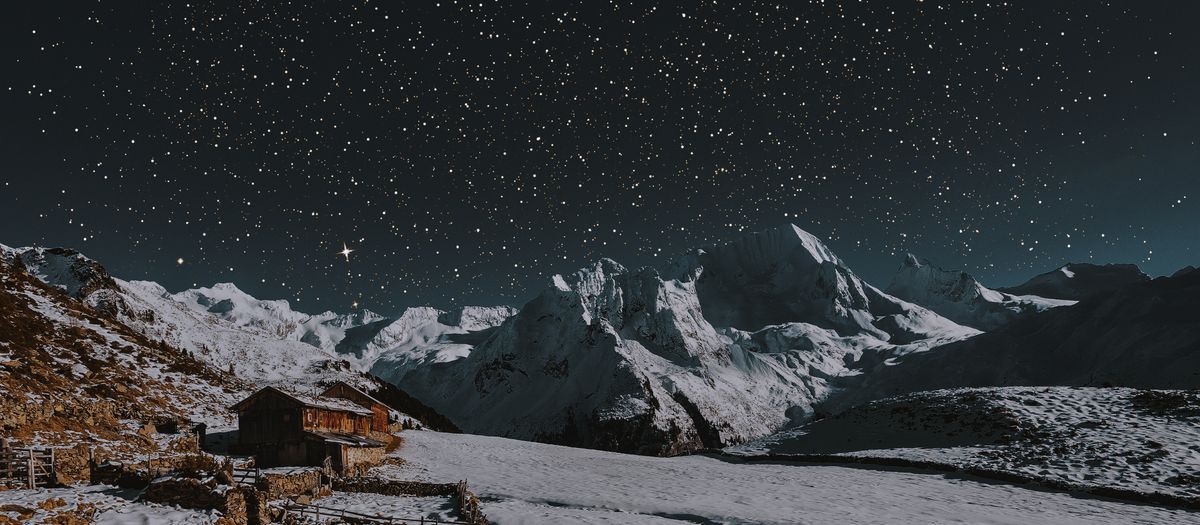
Cold Nights, Dew, and Other Things Nobody Warns Beginners About
Nobody warns beginners about the boring stuff that wrecks good nights — the cold, dew fogging your optics, a wobbly setup. Here are the field realities, and the cheap fixes that save the night.
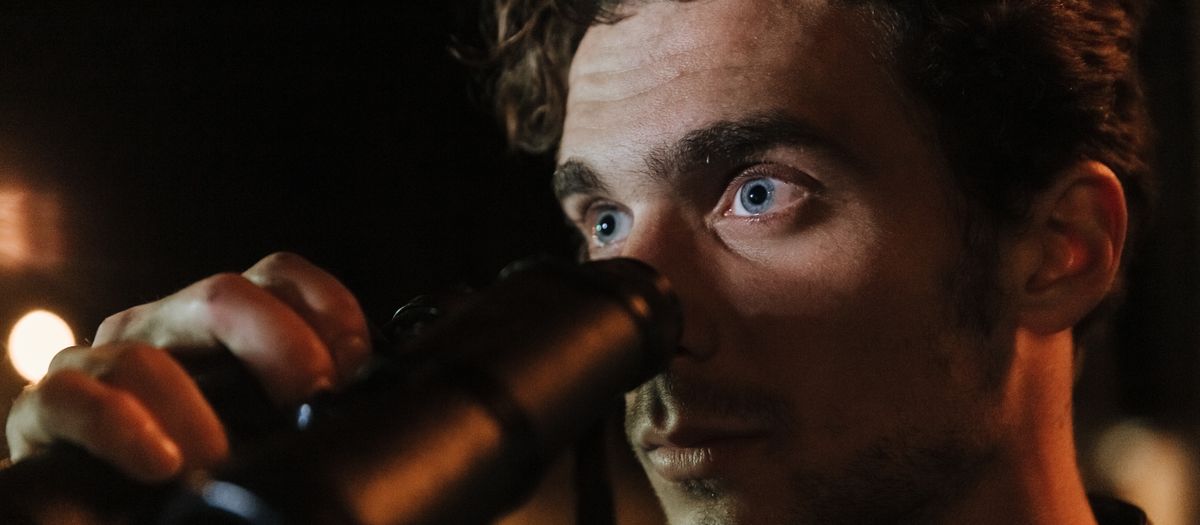
Reading the Sky: My No-Gear First Month Before I Bought Anything
Before you buy a telescope, spend a month with nothing but your eyes and maybe binoculars. Learning the sky first is the cheapest, smartest thing a beginner can do. Here's how I'd do it.
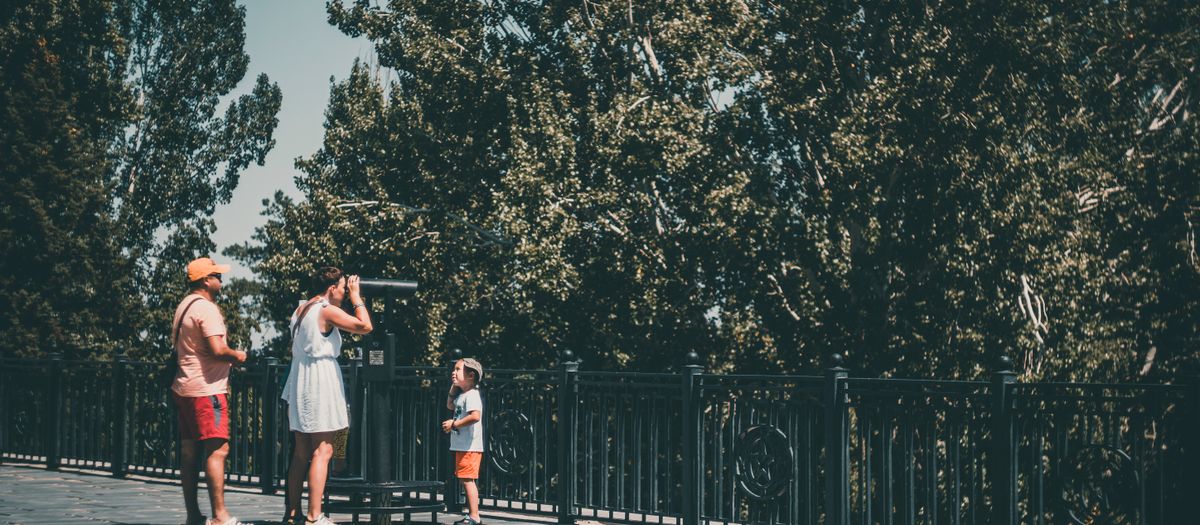
How I Got My Kids to Actually Care About the Night Sky
Pointing a scope at the sky and hoping kids care doesn't work. Here's what actually got mine excited about astronomy — the targets, the timing, and the mistakes I made first.
GoTo vs Star-Hopping: What I Learned Doing Both
I've found objects both ways — by hand and by computer. Here's the honest trade-off between GoTo and star-hopping, and why the 'right' answer depends entirely on the kind of observer you are.
The 3 Accessories That Actually Changed My Observing
Forget the gadget rabbit hole. Three cheap accessories did more for my observing than anything else: one good eyepiece, a red flashlight, and a planisphere. Here's why.
Collimation Isn't Scary: How I Tune My Reflector in 5 Minutes
Collimation scares off more beginners than it should. It's just aligning the mirrors, and I do mine in about five minutes. Here's the plain-English routine I actually use.
Why I Tell Every Beginner to Start With a Dobsonian
I steer almost every beginner toward a Dobsonian, and I'll make the case honestly — including the downsides. Here's why a big mirror on a simple base wins for a first scope.
A Beginner's First Night Under the Stars: A Realistic Walkthrough
What a real first night actually looks like — setting up before dark, cooling the scope, finding the Moon the easy way, and landing your first look at Saturn without frustration.
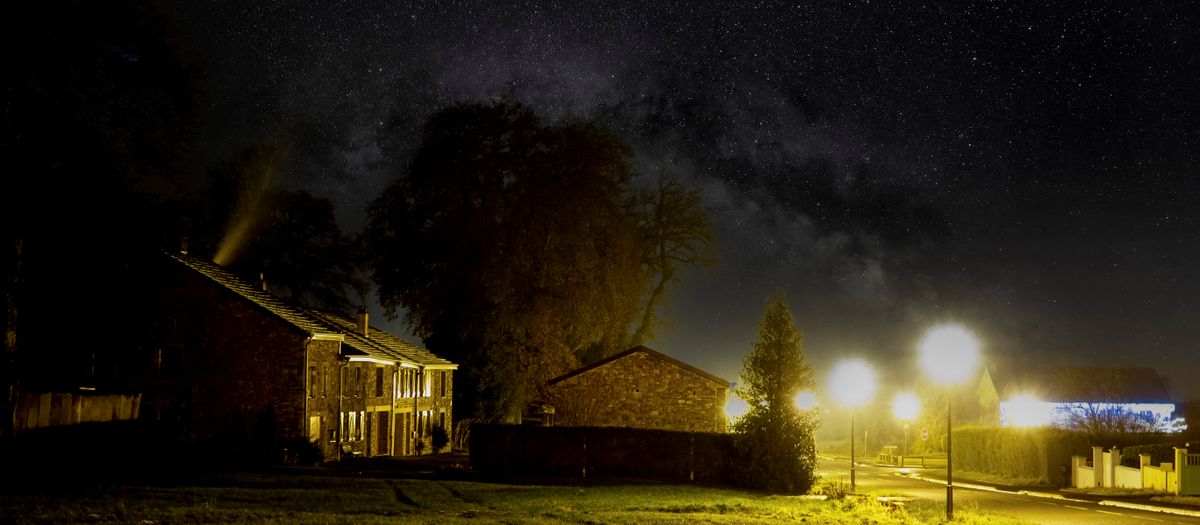
What You Can Actually See From a Light-Polluted Backyard
You don't need dark skies to start. From a glowy suburban backyard you can still see the Moon, the planets, double stars and a handful of deep-sky objects. Here's what's realistic.
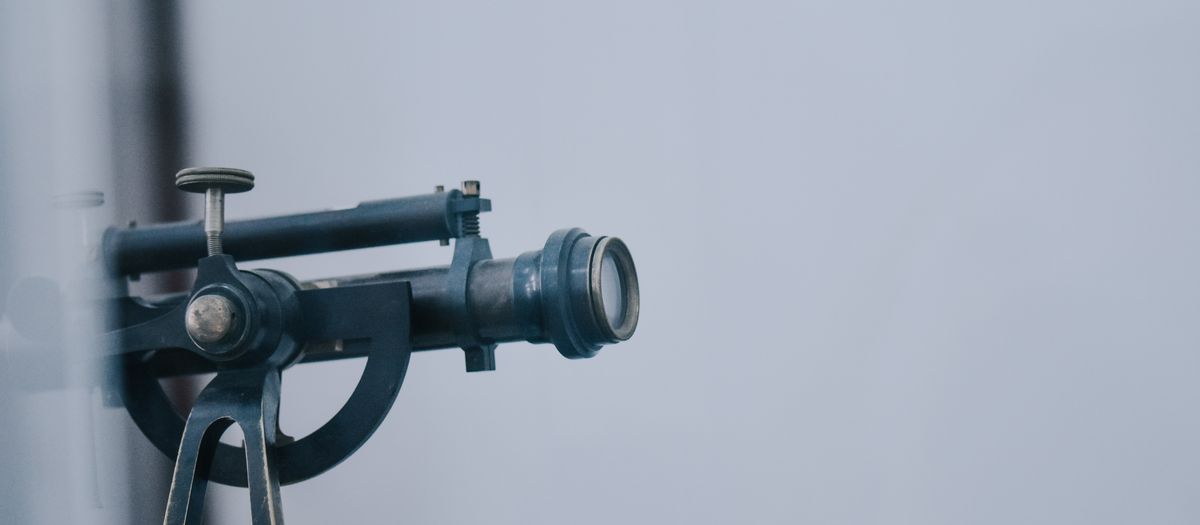
My First Telescope Was a Mistake — Here's What I Wish I'd Bought
My first scope was a cheap 600x department-store refractor that showed me nothing and nearly ended the hobby for good. Here's what it taught me, and what I'd buy instead.