Astrophotography & What to See
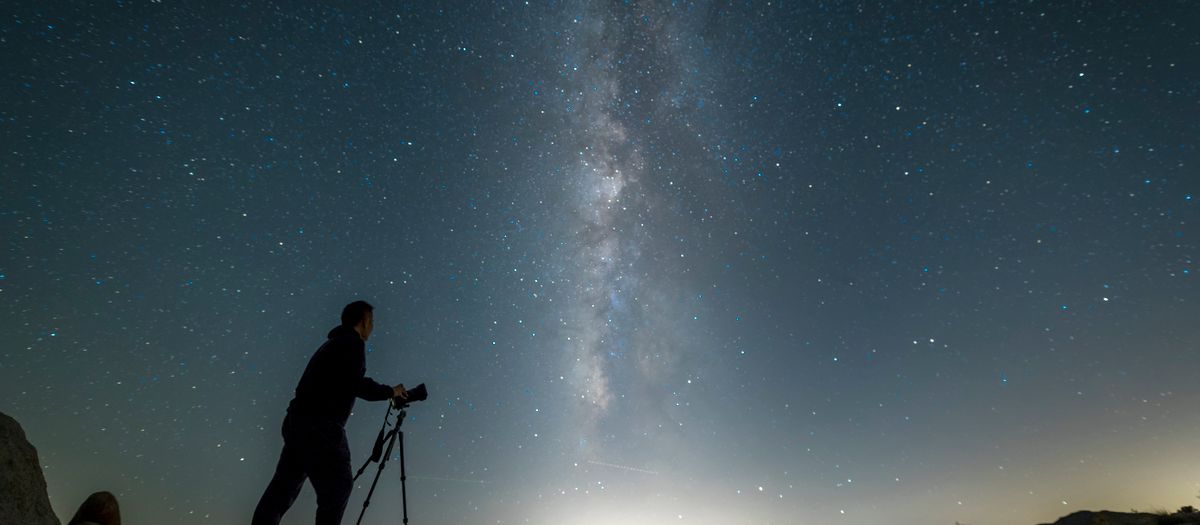
This silo does two jobs: it covers the entry astrophotography gear that gets you started, and it answers the question every beginner asks — what can I actually see? That second job runs on our What Can I See calculator, which turns an aperture into the planets, lunar detail and deep-sky objects it will resolve. Specs are verified against manufacturer and current Amazon listings; no hands-on testing is claimed.
What you can see at each aperture
Before you photograph the sky, it helps to know what is up there to catch. The progression is the same for the eye and the camera. The Moon is stunning in any telescope — craters, mountains and long shadows — and it works even from a bright city. Step up and a 4-to-6-inch shows Jupiter's cloud bands and four moons and Saturn's rings; a 6-to-8-inch from a dark site starts pulling in star clusters, the brighter nebulae and a hint of galaxies. The bigger the aperture, the more deep-sky light you gather. To match a specific aperture to specific objects — and to settle whether 6 inches is enough for what you want — run it through the What Can I See calculator.
Entry astrophotography gear, and why it's different
Astrophotography flips the priorities of visual observing on their head. For the eye, aperture is king. For the camera, tracking is king — because an image builds over seconds or minutes, the mount has to follow the sky precisely or every star smears into a streak. So the first and biggest investment is a solid equatorial mount (the kind covered in the telescope mount hub), not the largest tube. After the mount comes the scope's focal ratio (a faster ratio shortens exposures), and then the camera — which can start as simply as a DSLR or a phone on an adapter. The gear roundup works through where a beginner's money is best spent first.
Start with the Moon and planets
The most beginner-friendly entry to imaging is lunar and planetary, because those targets are bright and need only short exposures. A phone held to the eyepiece, or a cheap phone adapter, can catch a genuinely good Moon on night one — no tracking mount required. Planets follow with a simple webcam-style camera that films a short video for stacking. Deep-sky imaging — the long-exposure nebulae and galaxies people picture — is the harder, later step, and it is where the tracking equatorial mount becomes essential. Building up in that order keeps the hobby rewarding instead of frustrating.
Featured guides
The current published guides in this silo. More land each batch.
Landing next: Astrophotography equipment for beginners, What telescope can see Saturn, What planets can you see, Messier objects for beginners, and How to photograph the Moon.
Frequently asked questions
What equipment do I need to start astrophotography?
The priorities flip from visual observing: a tracking equatorial mount matters most, then a scope with a fast focal ratio, then a camera — even a DSLR or a phone adapter to start. A sturdy tripod and a way to control exposures round it out. You do not need huge aperture; you need steady tracking and patience.
Can I photograph the night sky with a beginner telescope?
Yes, starting with the easiest targets. The Moon and bright planets photograph well through almost any telescope, even with a phone on an adapter, because they are bright and need only short exposures. Deep-sky objects like nebulae and galaxies need a tracking mount and longer exposures, so they come later as your setup grows.
Is aperture or tracking more important for astrophotography?
For imaging, tracking wins. A camera builds an image over seconds or minutes, so the mount must follow the sky precisely or stars become streaks. That is why astrophotographers invest first in a solid equatorial mount and treat aperture and focal ratio as secondary. For visual observing the priority is reversed — there, aperture is king.
What can I see through a telescope before I photograph it?
The Moon is spectacular in any scope. A 4-to-6-inch shows Jupiter's cloud bands and moons plus Saturn's rings; a 6-to-8-inch starts reaching star clusters, brighter nebulae and a hint of galaxies from a dark site. The What Can I See calculator matches a specific aperture to the objects it will actually resolve.